 Open Daily 10:00 AM – 8:00 PM
 +662-382-0044
 Make Appointment

 ไทย
ไทย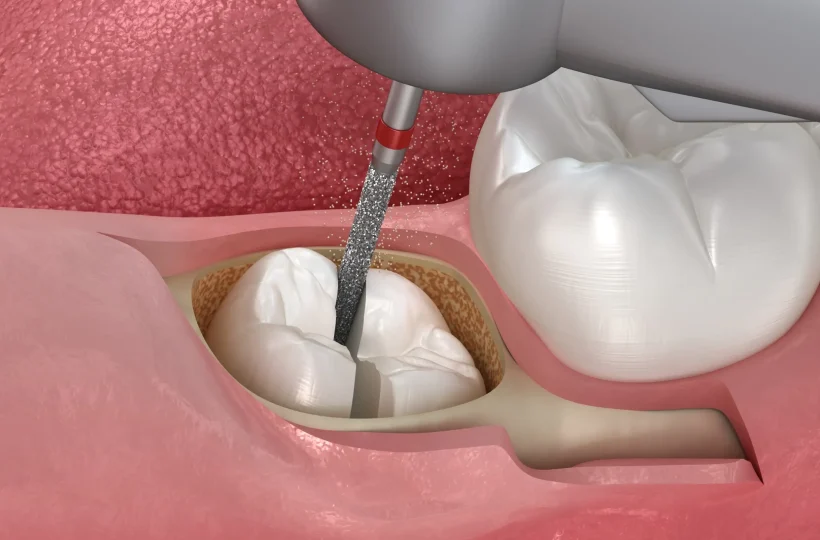
Oral Hygiene and Wound Care:
- Avoid Brushing/Flossing at the Surgical Site: For the first 7–10 days, do not brush or floss directly over the surgical area to prevent sutures from loosening or the wound from reopening.
- Gentle Wound Cleaning: Use a cotton swab soaked in antiseptic mouthwash (e.g., Chlorhexidine, as prescribed) to gently clean the surgical area.
- Salt Water Rinse: After the first 24 hours, rinse gently with warm salt water (1 teaspoon of salt in 1 glass of warm water) 2–3 times daily to reduce inflammation and kill bacteria. Do not rinse forcefully or use a straw during the first 48 hours, as this may cause bleeding or damage the wound.
- Brush Other Areas Normally: Brush and floss teeth in areas not affected by the surgery carefully.
Pain and Swelling Management:
- Cold Compress: For the first 24–48 hours, apply a cold compress to the outside of the cheek on the surgical side, alternating 20 minutes on and 20 minutes off, to reduce swelling.
- Medications: Take painkillers and antibiotics (if prescribed) exactly as directed by your dentist until finished.
- Elevate Head While Sleeping: Keep your head elevated above heart level while sleeping to help reduce swelling.
Activities and Restrictions:
- Avoid Strenuous Activities: Get enough rest and avoid heavy physical activities, such as intense exercise or lifting heavy objects, for the first 2–3 days.
- Avoid Smoking and Alcohol: Refrain from smoking and drinking alcohol for at least 3 days after surgery, as these can slow healing and increase the risk of infection.
- Do Not Touch the Surgical Site: Avoid using your tongue, fingers, or any objects to touch the surgical area.
Diet:
- Soft Foods: During the first 2–3 days, avoid spicy, sour, hot, or strongly flavored foods. Eat soft foods that are easy to chew, such as yogurt, rice porridge, congee, or mashed eggs.
- Chew on the Opposite Side: Try to chew using the teeth opposite the surgical site.
- Avoid Hard or Sticky Foods: Do not eat hard, crunchy, or sticky foods (e.g., nuts, popcorn) that may get stuck in the wound or cause it to reopen.
Follow-Up:
- Suture Removal: If non-dissolvable sutures were used, return to your dentist for removal in 7–10 days, or as advised.
- Contact Your Dentist Immediately: Seek immediate dental care if you experience excessive bleeding, increasing pain, or significant swelling that does not improve.
 Invisalign®
 Invisalign® first and teen
 Brava™ by Brius
 Metal Braces
 Damon Braces