 Open Daily 10:00 AM – 8:00 PM
 +662-382-0044
 Make Appointment

 ไทย
ไทย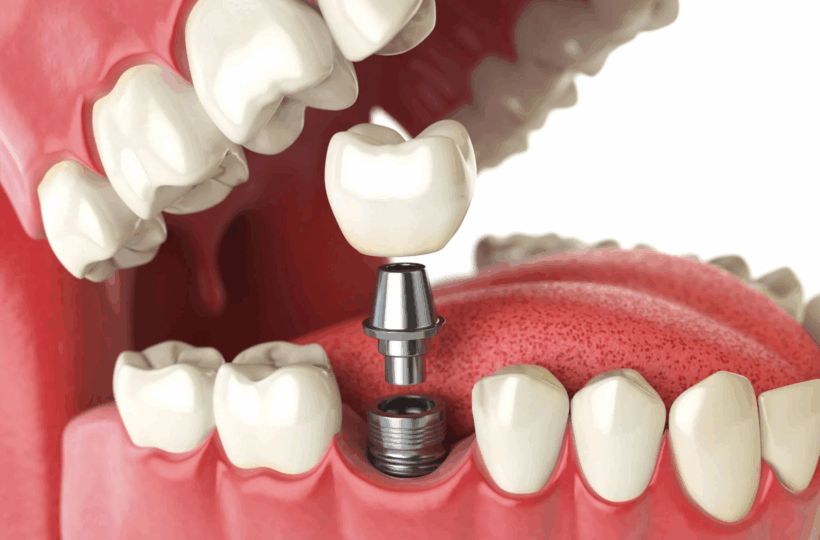
General Instructions:
After dental implant surgery, follow these guidelines to promote healing and prevent complications: apply cold compresses to reduce swelling, eat soft foods, avoid hard, sticky, or very hot foods, maintain proper oral hygiene, take medications exactly as prescribed, and refrain from smoking or drinking alcohol. Avoid heavy physical activity during the initial recovery period. Attend follow-up appointments as scheduled, or contact your dentist immediately if you experience unusual symptoms such as persistent bleeding, loose implants, or severe pain and swelling.
Initial Care:
- Bleeding: Bite firmly on the gaue over the surgical site for 1–2 hours. If bleeding continues, replace the gauze and bite for an additional hour. Do not use your tongue to press on the wound or rinse forcefully.
- Swelling: Apply a cold compress to the cheek on the operated side for 15–20 minutes every 2–3 hours during the first 1–2 days.
- Medication: Take all prescribed medications, especially antibiotics, exactly as directed until the course is finished.
- Oral Hygiene: After the first 24 hours, you may brush other teeth as usual but avoid brushing the surgical area. Use the mouth rinse prescribed by your dentist for 1–2 weeks instead.
- Suture Removal: Attend your follow-up appointment for suture removal within 7–14 days after surgery.
Diet and Activities:
- Recommended Diet: Soft foods such as rice porridge, soup, congee, steamed eggs, tofu, or other high-protein foods. Choose foods with mild flavors.
- Foods to Avoid: Hard, crunchy, or sticky foods such as nuts, raw fruits, or candies. Avoid extremely hot or cold foods, as well as alcoholic or high-sugar foods and drinks.
- Recommended Activities: Get adequate rest and keep your head elevated while sleeping to help reduce swelling.
- Activities to Avoid: Heavy exercise or activities requiring significant effort, and smoking.
When to Contact Your Dentist Immediately:
- Persistent or excessive bleeding
- Severe pain, swelling, or high fever
- Loose dental implant or crown
- Pus or signs of infection at the surgical site
- Numbness or unusual pain in adjacent teeth
- Nosebleeds (if sinus surgery was involved)



 Invisalign®
 Invisalign® first and teen
 Brava™ by Brius
 Metal Braces
 Damon Braces